
Bring more commercial realism into product development
Consumer goods teams often have no shortage of ideas. The harder problem is deciding which opportunities deserve investment, which product features customers truly value, how to balance quality and cost, and how to turn broad concepts into retailer-ready, channel-aware propositions.
Sharper prioritization
Compare multiple concepts on commercial relevance and business feasibility instead of relying on intuition alone.
Clear value proposition
Clarify which benefits and messages matter most before pack and sales materials head in the wrong direction.
Earlier feasibility discipline
Bring sourcing and production realities into concept decisions before avoidable costs are sunk.
Better retail readiness
Make concepts easier to present to buyers and internal stakeholders through cleaner evidence and stronger decision logic.
Enabling commercial success of new product launches
The objective is simple: execute each product launches with consumers and retail channels needs in mind and utilizing international best practices in product development, sourcing, quality, packaging, and data-backed category thinking.
-
Step 01
Opportunity and whitespace analysis
 What this step does
Identify unmet need spaces, benchmark international launches, and focus teams on commercially stronger concepts.
Questions addressed- Which unmet needs are still under-served in the category and where is the clearest whitespace?
- Which international launches offer the most relevant learning for this category, channel, and price tier?
- What signals show that an opportunity is commercially real rather than only interesting on paper?
- How to turn scattered market inputs into a clear opportunity map teams can act on?
-
Step 02
Concept and specification sharpening
 What this step does
Clarify which product features, benefits, and claims matter most, and where trade-offs are acceptable without weakening the proposition.
Questions addressed- Which product features matter most to consumers and which trade-offs are acceptable without weakening the proposition?
- How should claims and benefits be prioritized so the concept stays clear across internal and external conversations?
- What level of specification detail is needed before development decisions become too expensive to reverse?
- How to align consumer value with feasibility, cost, and technical constraints early enough?
-
Step 03
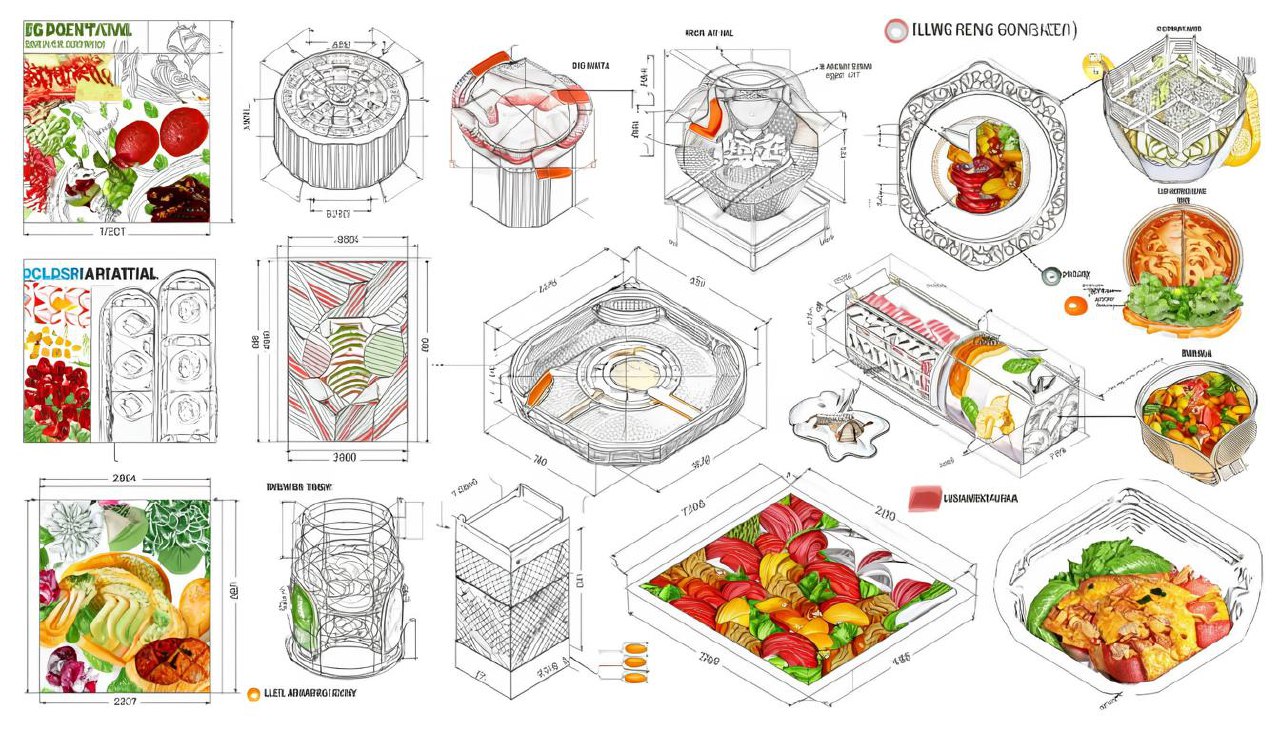
Packaging and consumer value
 What this step does
Turn customer and channel insight into clearer packaging priorities, on-pack messaging, and design direction.
Questions addressed- Which messages on pack will most clearly communicate the product's value to shoppers?
- How should packaging architecture balance brand code, shopper attention, and channel realities?
- What elements of consumer value need to be visible immediately for the proposition to land?
- How to avoid packaging choices that add cost without improving perceived value?
-
Step 04
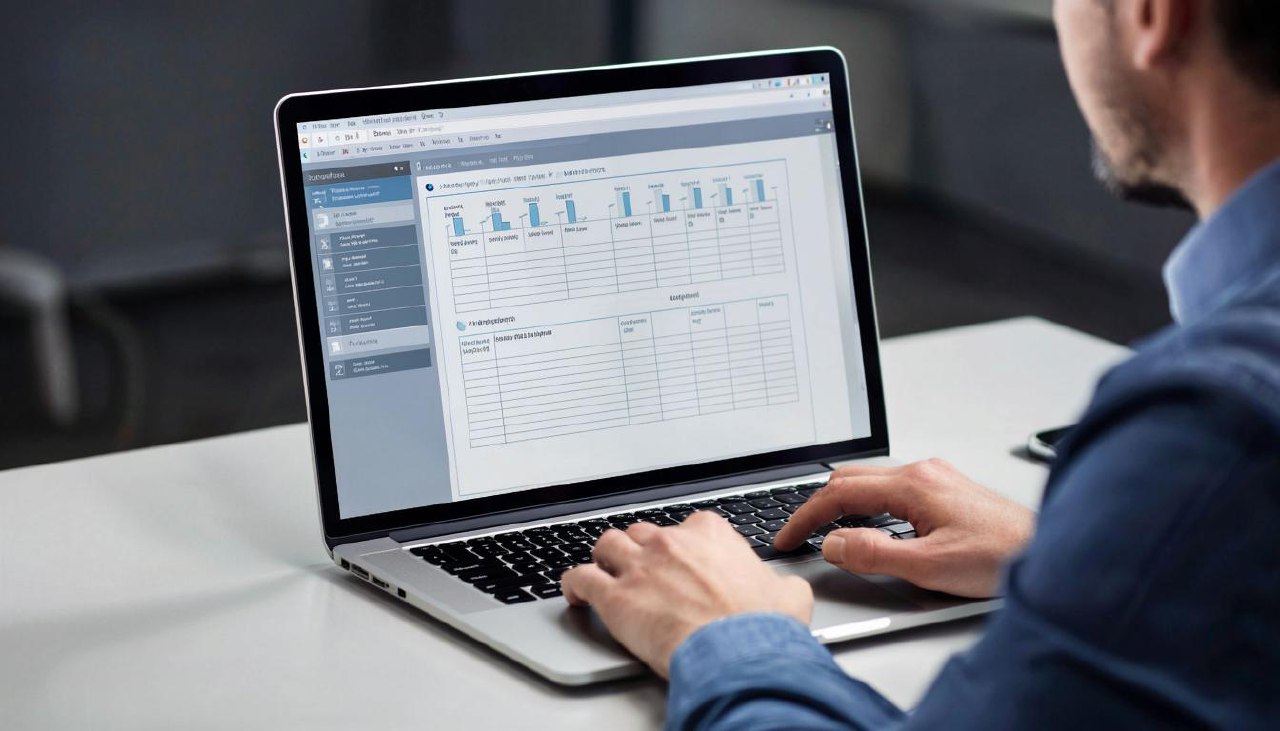
Commercial and retail readiness
 What this step does
Make concepts easier to present to retail buyers and internal stakeholders through stronger logic, clearer evidence, and cleaner decision frameworks.
Questions addressed- What evidence do internal teams and retail buyers need to see before backing the concept?
- How should the sales story be structured so the proposition feels retailer-ready, not only innovation-ready?
- Which channel requirements must be reflected before launch plans are finalized?
- How to translate concept work into decision-ready materials for commercial discussions?
-
Step 05
Supplier and feasibility support
 What this step does
Support formulation, sourcing, and production choices with structured comparison logic and a clearer view of constraints and risks.
Questions addressed- Which types of suppliers are most likely to support the intended proposition with the right quality and flexibility?
- What feasibility risks should be surfaced before formulation, sourcing, or production choices are locked in?
- How to compare production options without losing sight of quality, lead time, and cost realities?
- Where are the key constraints that could weaken execution if they stay hidden too long?
-
Step 06
Portfolio prioritization
 What this step does
Direct resources toward the concepts with the best combination of consumer relevance and business feasibility.
Questions addressed- Which concepts deserve the greatest investment based on consumer relevance and business feasibility?
- How to compare multiple opportunities using a consistent prioritization framework instead of internal opinion alone?
- What trade-offs are acceptable when resources, timing, or retailer demand limit the portfolio?
- How should teams sequence the launch pipeline so the strongest concepts move first?
Our approach brings clear added value
Integration of global insights
International product launches, emerging need-states, and innovation benchmarks expand the decision frame beyond one local market view.
Consumer and channel relevance
Concepts are shaped around local category realities, shopper expectations, and the commercial requirements of the channels they need to win in.
Producer-ready standards
Product specifications, quality requirements, sourcing realities, packaging priorities, and brand expectations are integrated directly into the development process.
AI-driven efficiency
Tailored AI-enabled workflows ensure critical information is structured and used professionally, reducing wasted effort and improving decision speed.
Stronger launch outcomes
The goal is new products designed to fit consumer needs better, reach the market with clearer value, and launch with stronger commercial logic.
What our clients achieve with Product Cortex
Household cleaner concept optimization
Internal teams disagreed on which claims mattered, whether the pack was communicating the right value, and how much cost could be removed safely.
Prioritized consumer-relevant claims, optimized feature trade-offs, and refined the product brief so the concept was more commercially credible across channels.
The team moved toward launch with a stronger proposition, improved pack economics, and a clearer retailer-facing story.
Better-for-you snack range development
The producer had multiple ideas but no clean decision framework, making it difficult to focus development resources on the most promising opportunity.
Compared whitespace opportunities, benchmarked international launches, and focused development resources on the concepts with the strongest fit for target consumers and retailer buyers.
The business dropped weaker concepts sooner, accelerated internal decisions, and strengthened the final pitch materials for buyer conversations.
Make your next product decision with stronger evidence and clearer priorities
If the challenge is concept selection, claims logic, packaging direction, or retail readiness, Product Cortex can bring more structure into the next decision cycle.